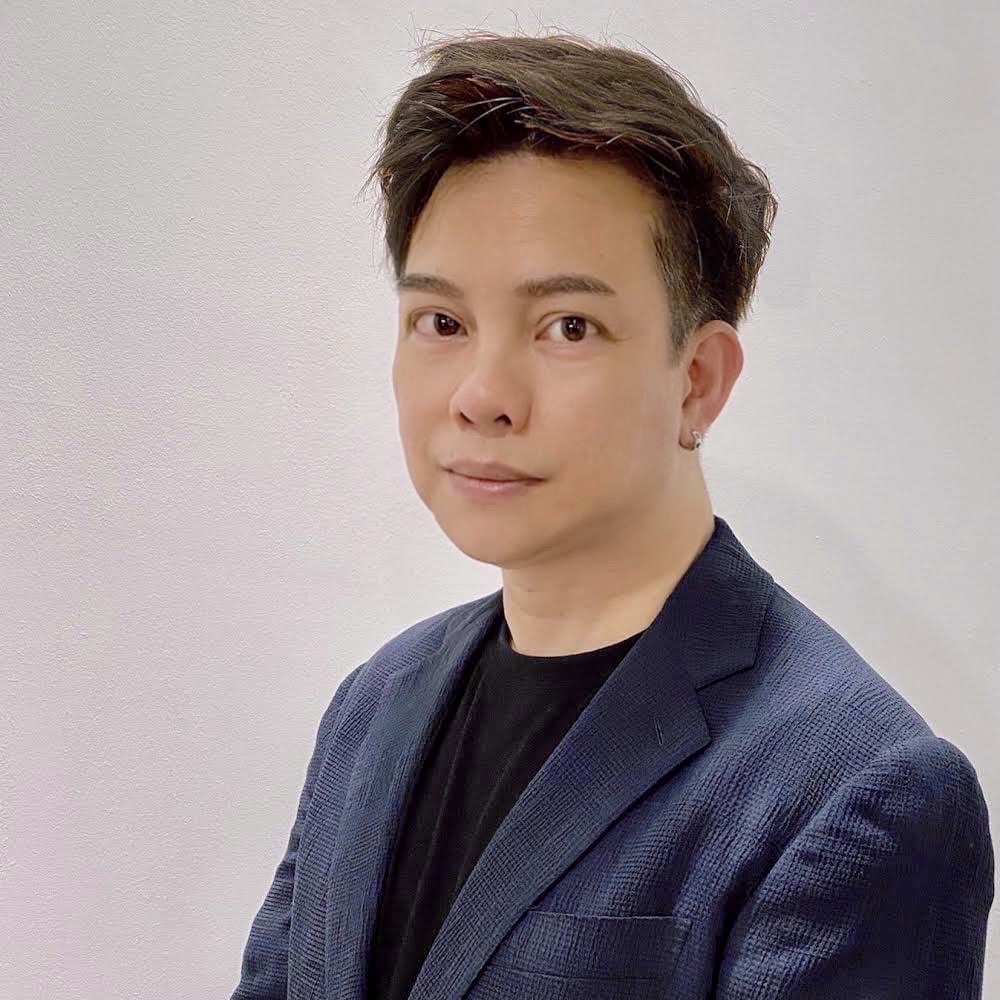
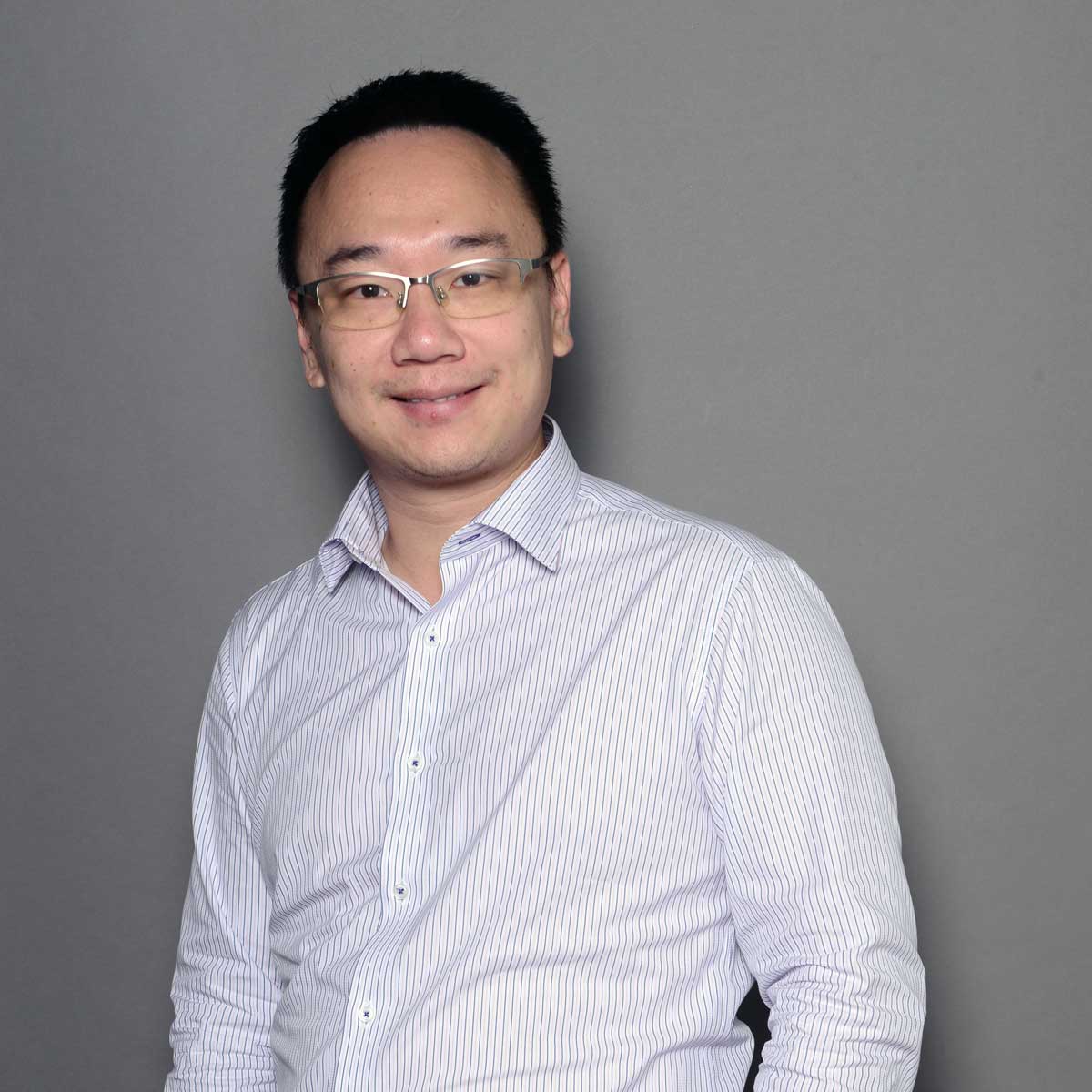
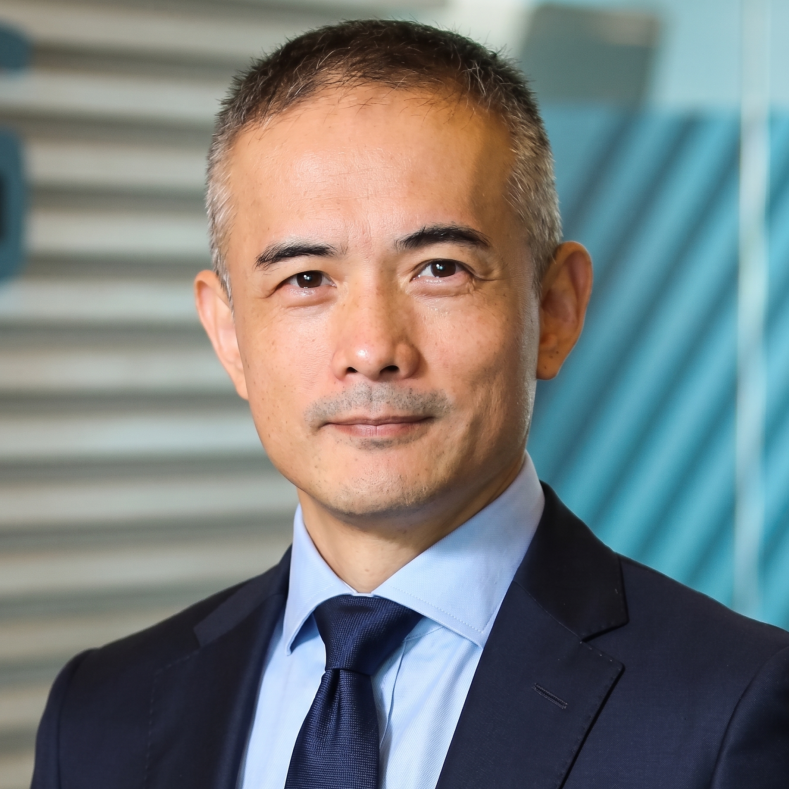
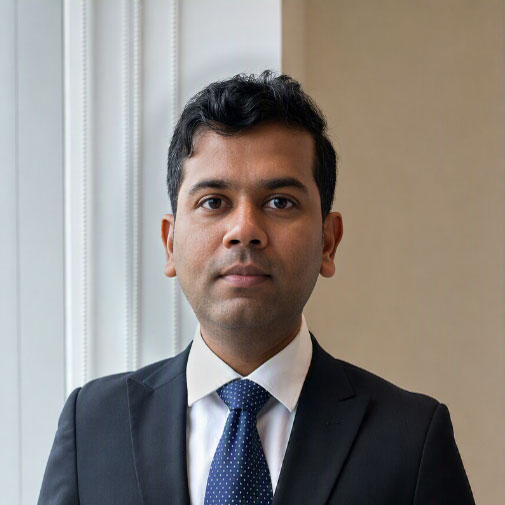
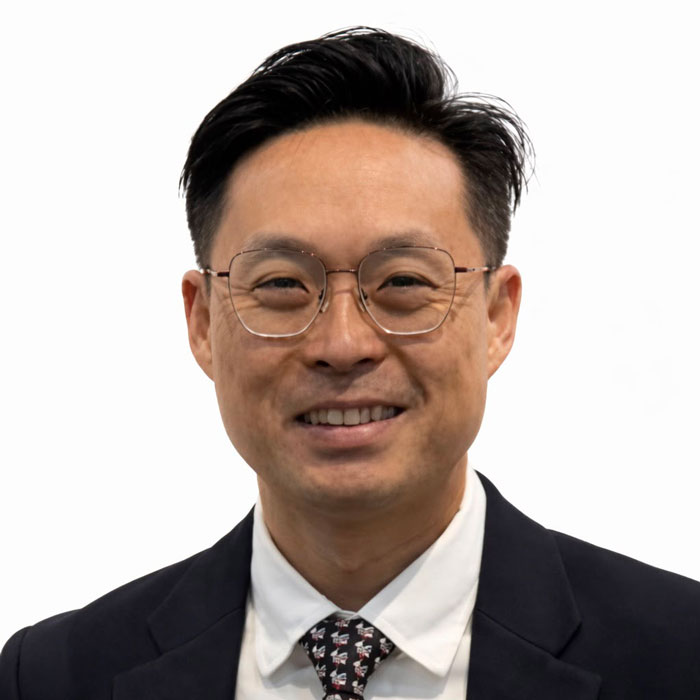
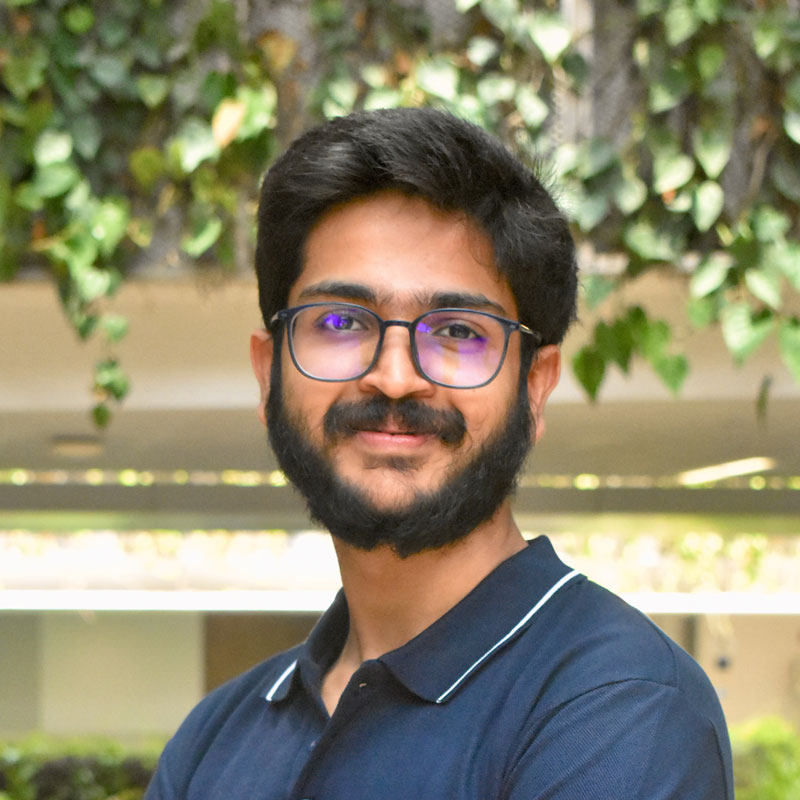
Chris Chau
Agency for Science, Technology and Research (A*STAR)
Chief Information Officer
VIEW BIO ->
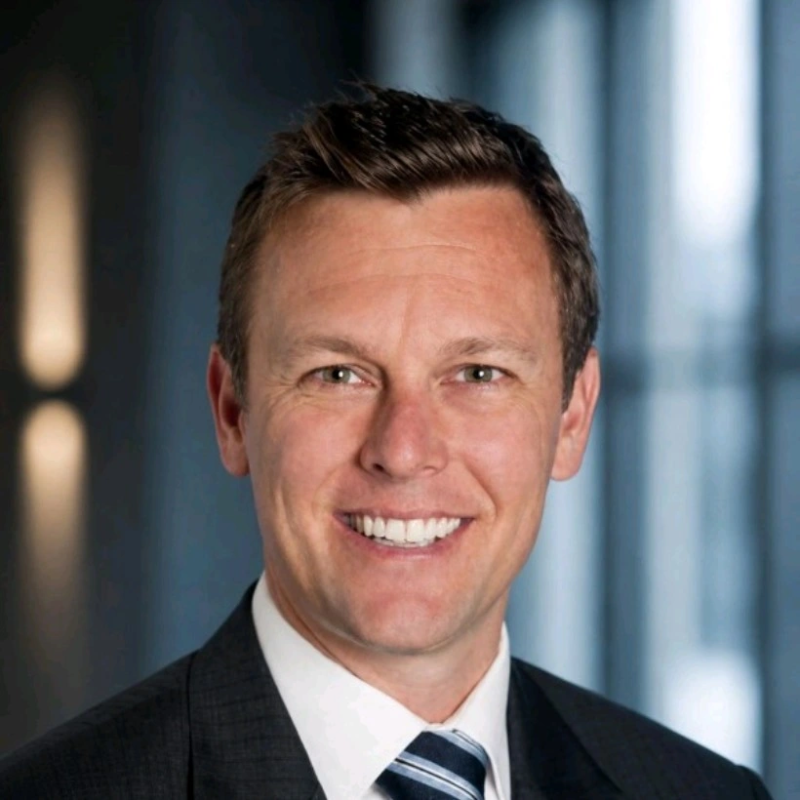
Chris has been serving in the Public Service for more than 30 years. He joined A*STAR in 2020, serving as CIO to the 6,000-strong organisation that is home to some 30 research institutes and national centres performing research and technology translation. In his capacity as CIO and CDO of A*STAR, Chris is responsible for IT, data governance, cybersecurity, AI platform engineering and enabling digital transformation in A*STAR and, by projection, serving the larger Public Service and research ecosystem. Chris began work as an engineer in the Ministry of Defence (MINDEF) and later Defence Science & Technology Agency (DSTA), then at Infocomm Development Authority (IDA) which later became GovTech Singapore. He has served as the Assistant CIO of MINDEF, CIO of DSTA, CIO of the Ministry of Communications & Information (MCI) and CIO of IDA.
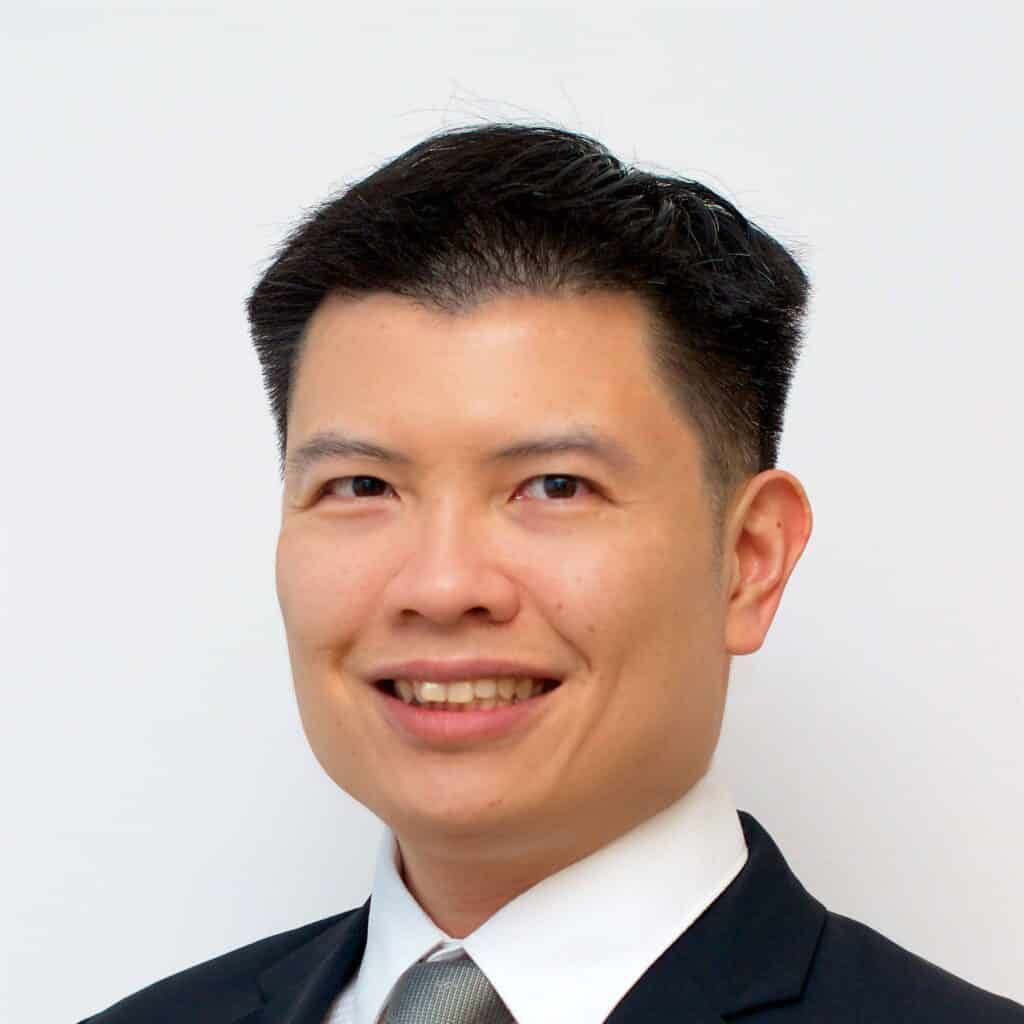
Eric Wong
Synapxe
Director, Cyber Operations & Technologies
VIEW BIO ->
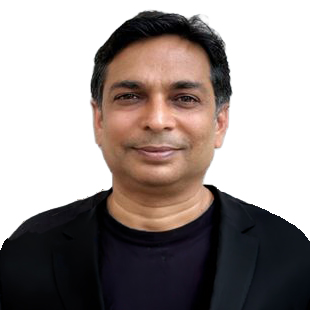
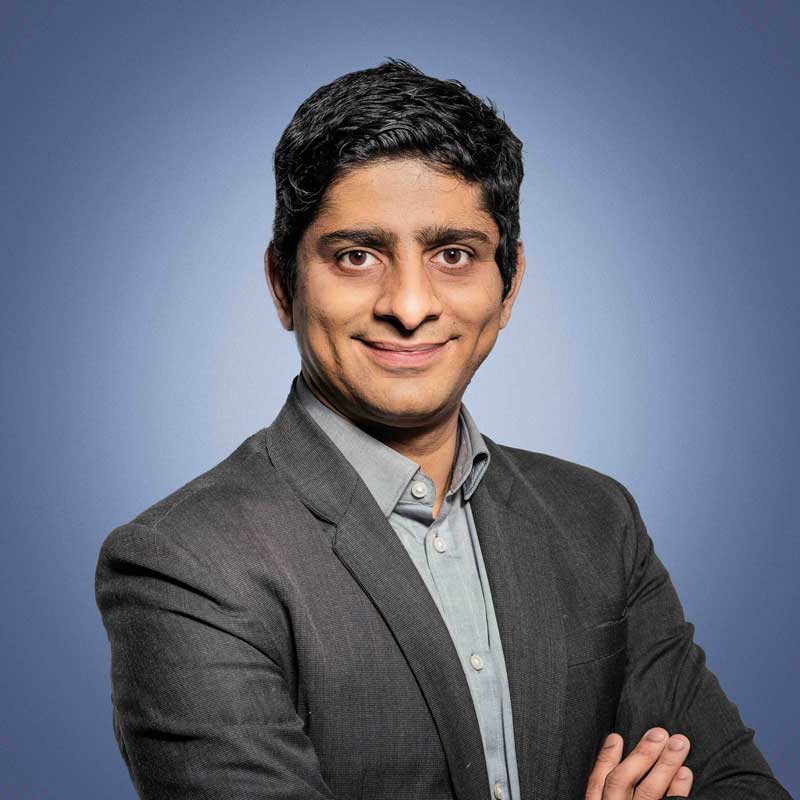
Eric leads operational cyber defence and drives cyber strategy and security architecture for Singapore’s public healthcare sector. He has built and matured cyber defence capabilities across one of the largest and most complex healthcare environments in Singapore, including security operations, incident response, and threat intelligence, alongside enterprise-wide security engineering that operationalises controls and tooling across diverse systems and platforms. His work focuses on defending highly interconnected environments where security decisions must balance risk, usability, and real-world outcomes. Eric also contributes to Singapore’s cybersecurity ecosystem, including the revision of the Multi-Tier Cloud Security (MTCS) standard.
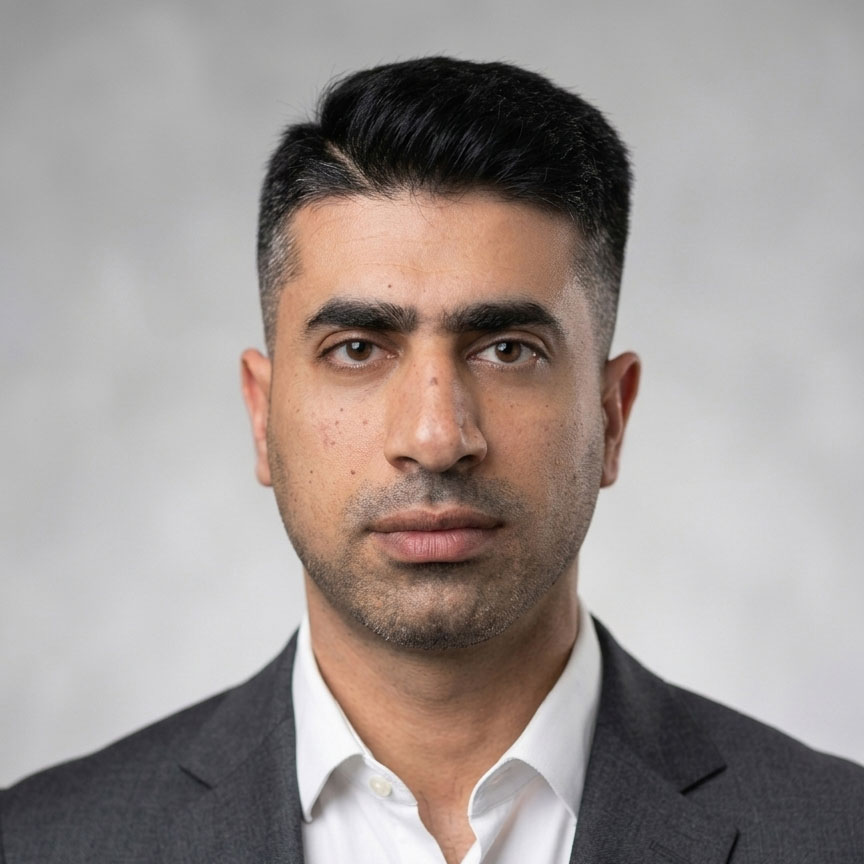
Kamran Rafiq
Ministry of Health Office for Healthcare Transformation (MOHT)
Chief Information Security Officer
VIEW BIO ->
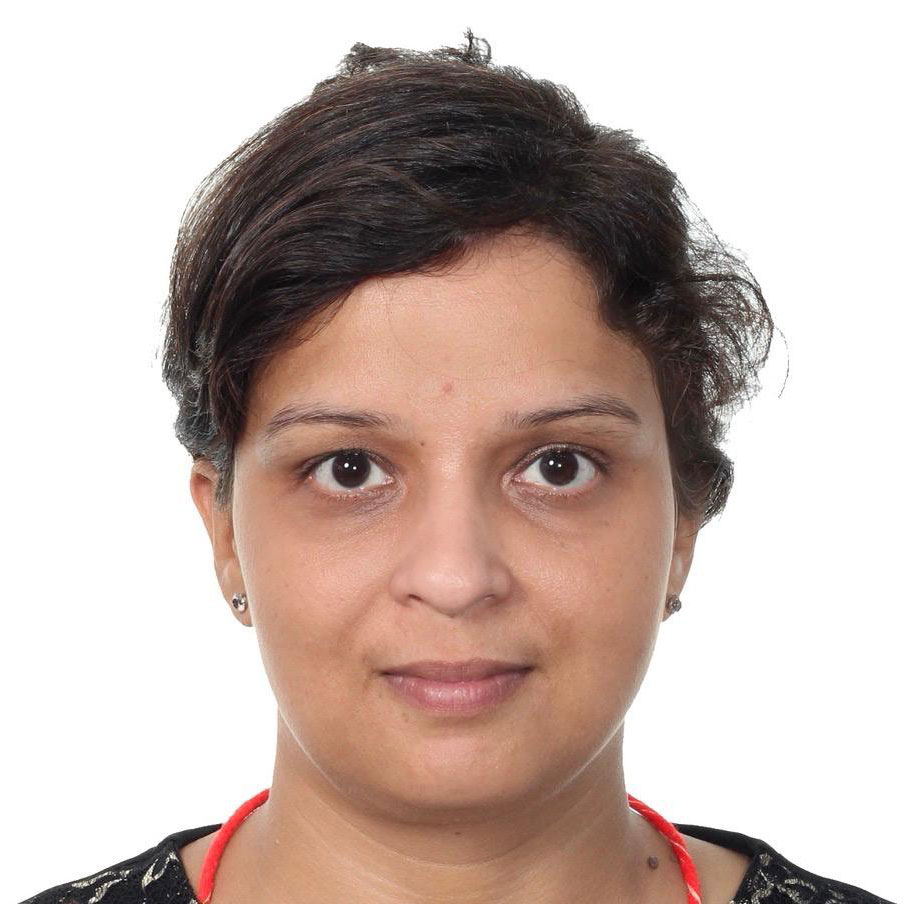
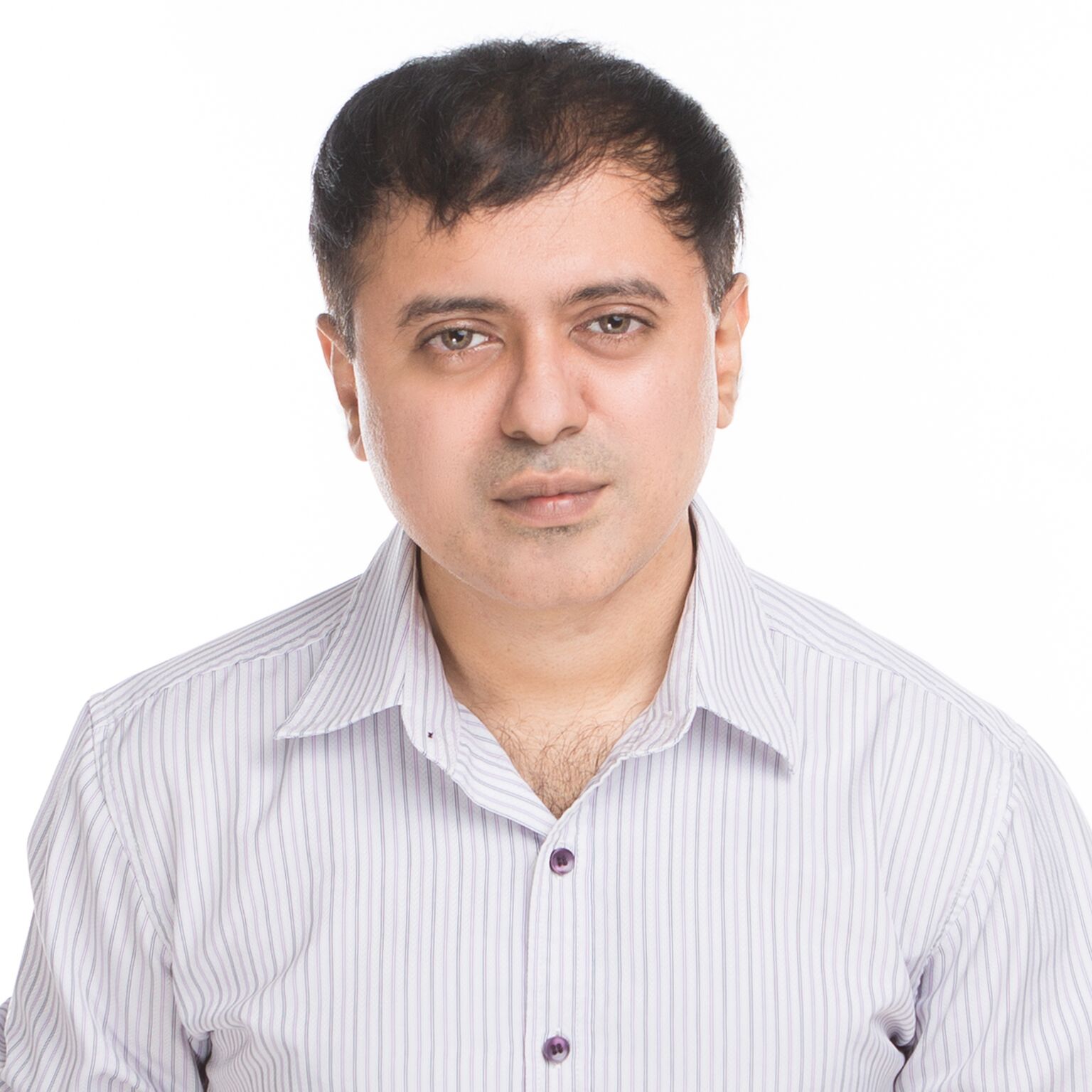
Kamran Rafiq is a seasoned cybersecurity leader with 16+ years of experience specializing in security engineering, security architecture, and building complex security strategies and programs. Having lived and worked in India, the US, Canada, and Singapore, he brings global insights from the healthcare, gaming, e-commerce, and telecommunication industries, seamlessly blending technical expertise with strategic vision. He has deep expertise in enterprise governance, risk, and regulatory compliance, including ISO 27001, PDPA, PCI-DSS, SOC2, NIST, CIS, and healthcare regulatory frameworks.
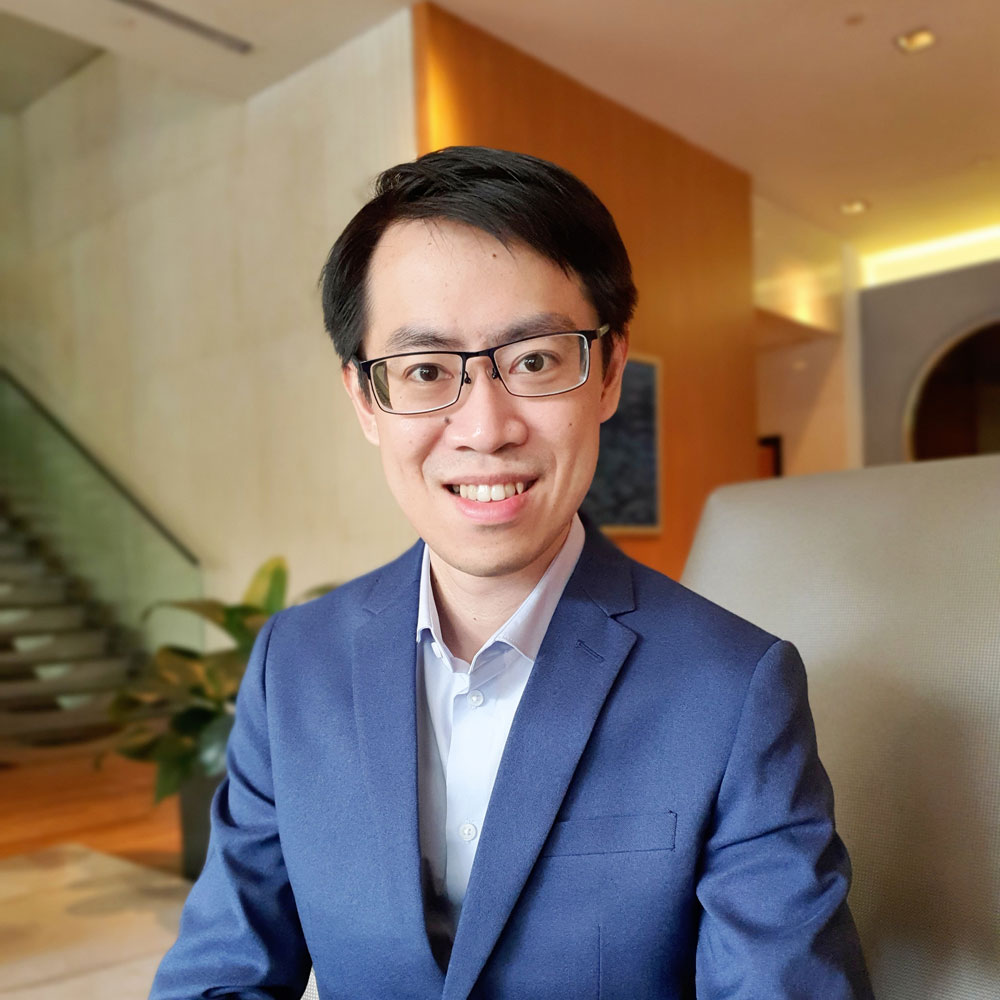
Dr Haw Jing Yan
Centre for Quantum Technologies (CQT)
Senior Research Fellow
VIEW BIO ->
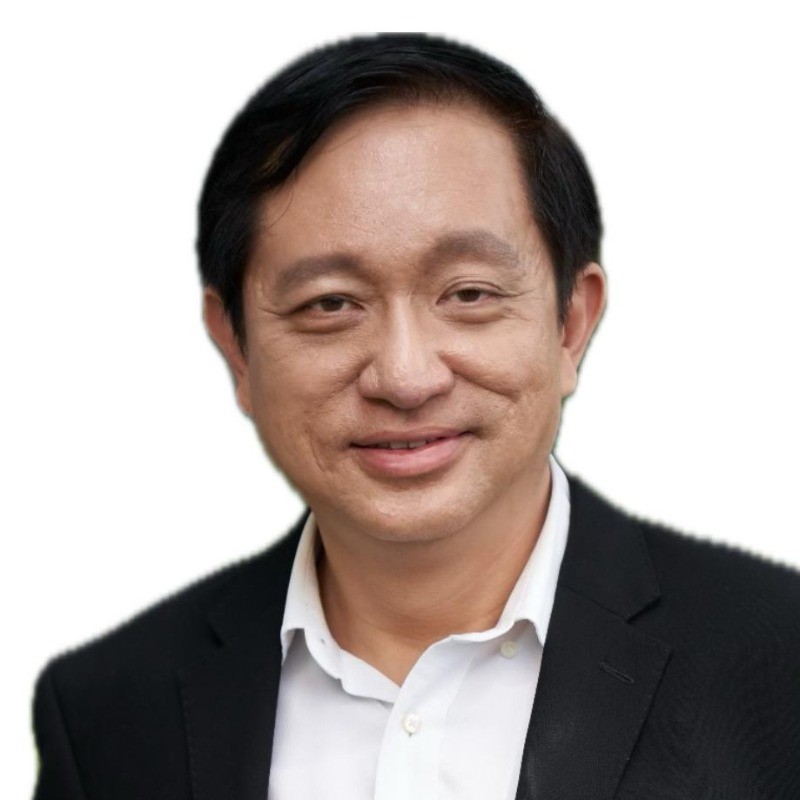
Dr. Jing Yan Haw leads the technical deployment of Singapore's National Quantum-Safe Network (NQSN) at the CQT, NUS, where he is a Senior Research Fellow. He is responsible for building and operating the national testbed's quantum-safe infrastructure, which includes integrating QKD and PQC across field deployed fibre in partnership with enterprise and technology vendors, and validating these solutions for real-world security. He is the editor of Singapore's first reference specification on QKD network deployment and contributes to international QKD standards through ITU-T and ETSI, shaping the guidelines that will govern how organisations adopt these technologies.
Michael Kasper
Fraunhofer Singapore Research
CEO
VIEW BIO ->
Michael Kasper is CEO of Fraunhofer Singapore Research, Director of Fraunhofer Singapore@NTU, and Associate Professor at NTU. He leads applied and translational R&D in quantum security, cybersecurity, artificial intelligence, and microelectronics. His work addresses the security of PQC, QKD, and how organizations can combine these technologies within practical strategies for quantum-safe migration and evaluation. Michael holds an executive programme leadership and PI role in the NRF QUASAR-CREATE programme on Quantum Security and Resilience and previously co-coordinated activities for Singapore’s National Quantum-Safe Network.
Phoram Mehta
PayPal
Vice President & Head of International Cyber Risk
VIEW BIO ->
With 25 years of experience and technical leadership with over two decades in Information Security, Phoram has been instrumental in building secure technology solutions for multiple companies across a spectrum of sectors including financial services, healthcare, telecommunication, and government globally. He currently serves as Co-Chair on the AmCham Singapore Cybersecurity Cmte, has been on the board of Cyber Risk Institute, ISACA Singapore chapter President and advises cybersecurity startups in Singapore, India and US. He has a Bachelor's and Master's in Computer Science with specialization in Cybersecurity.
Shishir Kumar Singh
Atome Financial
Group Head of Information Security
VIEW BIO ->
Shishir Kumar Singh is Group Head of Information Security at Atome Financial, part of Advance Intelligence Group. He is a highly accomplished and award-winning cybersecurity leader with a proven track record of aligning robust security strategies with organisational growth, regulatory expectations and cultural transformation. He brings deep expertise in strategic leadership, incident response, regulatory compliance and enterprise-wide security risk management. Over the years, he has held key leadership roles across renowned organisations, helping to secure businesses and critical payment infrastructure across the APAC region.
Albert Huang
Centre for Strategic Infocomm Technologies (CSIT)
Senior Manager
VIEW BIO ->
Prior to his current role, Albert was part of the pioneering team in applied research focusing on network security including quantum communications and cryptography within JPMorgan Chase, holding the last position of Executive Director. In that time, he led a team breaking ground in innovation by introducing and deploying complex QKD networks, hybrid quantum security for software stacks and quantum crypto-agility into real life applications and infrastructure. Albert has also held multiple roles such as ecosystem builder for the Quantum Engineering Program where he was responsible for industry and enterprise and launched 3 national platforms for accelerating quantum technologies in Singapore. He was previously Head of Operations (APAC) for Mobile Network Testing Asia Pacific at Rohde and Schwarz.
Dr Cai Yu
HSBC
Quantum Scientist
VIEW BIO ->
As a Quantum Communications Applied Scientist at HSBC, Cai Yu leads proof-of-concept initiatives that assess and de-risk quantum-safe technologies—spanning post-quantum cryptography and quantum key distribution—and translates research into practical guidance for enterprise adoption. His work supports the bank’s long-term confidentiality and resilience goals by informing technology choices, integration approaches, and transition planning in partnership with cybersecurity, engineering, and architecture teams. Cai has over a decade of experience in quantum information science and holds a PhD from the NUS. Prior to joining HSBC, he held research fellow positions at NTU, the University of Geneva, and NUS.
Sripal Jain
OCBC
VP & Emerging Technologies Architect (Quantum)
VIEW BIO ->
Sripal Jain has over 21 years of experience in technology strategy and innovation. He drives research and trials in both Quantum Computing and Quantum-Safe Communications, including QKD and PQC. Sripal has played a pivotal role in industry collaborations with MAS, NUS, NTU, and SMU, advancing quantum security for financial services. His career spans diverse industries, including semiconductor research at Xilinx and National Semiconductor, and serving as a Blockchain and Cloud Architect at IMDA, where he contributed to secure and scalable technology solutions. Sripal holds a Master of Technology from NUS.
Abhisarika Singh
NETS
Vice President, Cybersecurity
VIEW BIO ->
Abhisarika Singh is a cybersecurity and technology risk leader, currently working as VP-IS in NETS Singapore, with deep expertise across information security, security architecture and design, technology risk management, governance, and data privacy. At NETS, she works at the intersection of cybersecurity, risk and business resilience within Singapore's payments ecosystem.
Alvin Ong
National Kidney Foundation
Board Member & Chair of Tech Committee
VIEW BIO ->
Alvin is an award-winning CIO who was NTU CIO for over 7 years, responsible for driving the IT agenda across the University. Prior to NTU, he led new healthcare facilities planning, digital transformation, healthcare informatics, innovation and technology risk management & governance at major public sector healthcare clusters such as SingHealth, NHG Health and Alexandra Health from 1995 to 2017. As the CIO, he pioneered the setup of IT infrastructure and applications for brand new healthcare facilities including Changi General Hospital (1996), Alexandra Hospital (2000), Khoo Teck Puat Hospital (2010), Yishun Community Hospital (2015) and Admiralty Medical Centre (2016). He is a strong advocate of “purposeful and consistent” lifelong learning. His hobbies include Technology, Toastmasters and Chess.
Dr Anupam Chattopadhyay
Nanyang Technological University (NTU)
Associate Professor, College of Computing & Data Science
VIEW BIO ->
Professor Anupam Chattopadhyay leads a research team of over 20 scientists working across computer architecture, security, design automation and emerging technologies. His work spans side‑channel attacks, post‑quantum cryptography, high‑level processor design automation, emerging technology‑based computing primitives, and coarse‑grained reconfigurable architectures. His research has produced 300+ publications, multiple books, and technology transfers to the semiconductor and EDA industries. Professor Chattopadhyay serves on TPCs of leading conferences such as DAC, DATE, ICCAD, ASP‑DAC and CHES, and is Associate Editor for IEEE TCAD, IACR CHES, and ACM TECS. He is a Fellow of JSPS and Intercontinental Academia, and a Senior Member of ACM and IEEE. His recognitions include multiple awards, and he has been listed among the World’s Top 2% Scientists (2020–2024, 2024 career‑long impact).
Simon Pamplin
Certes
Chief Technology Officer
VIEW BIO ->
Simon Pamplin joined Certes in 2022, bringing with him his wealth of technical expertise and sales experience, previously within storage and data centre networking. Simon’s passion for business and technical solutions is shown by his strong track record of developing and managing high-performing teams of pre-sales professionals. His skills span various areas, including on-premises and off-premises cloud, as well as large-scale infrastructure consolidation and virtualisation. Simon has extensive experience working across different countries and cultures within EMEA and Russia, across multiple industries.
Mohan Veloo
F5
Chief Technology Officer, APJC
VIEW BIO ->
With over two decades of experience in the information technology scene, Veloo is a seasoned senior executive with a strong passion for applications and what it takes to connect, secure, and run them. He has held senior leadership roles in solutions engineering across several leading technology providers and brings deep experience in application, networking and security technologies and architectures. He also previously spent over a decade at Oracle, most recently as Head of Sales Consulting for Asia Pacific and Japan.
Jason Teo
Thales
Regional Sales Director, Singapore, Applications and Data Security
VIEW BIO ->
With over 23 years of experience in the cybersecurity sector, Jason has a proven track record of leadership at industry-leading organizations, including IBM, Cisco, and Imperva, prior to his current role at Thales post-acquisition. Throughout his career, he has consistently driven substantial revenue growth across governments, top enterprises and regional global accounts by building and guiding high-performing sales teams. Known for his deep expertise in the enterprise networking and cybersecurity landscape, Jason excels at translating complex technical solutions into strategic business outcomes while cultivating enduring client relationships.
Shaun Chen
Thales
AVP, APJ Lead Architect – AI & Quantum Security
VIEW BIO ->
Shaun is a dynamic leader at Thales, where he has successfully headed the sales engineering team for the past 10 years. With extensive expertise in cybersecurity, he holds esteemed certifications, including CCSP and CISSP. Shaun's passion for technology shines through his proficiency in data analytics, digital transformation, and information security. Over the last 20 years, Shaun has been pivotal in IT solution advisory across the APAC region, driving numerous successful cloud transformation and data security projects for both the public sector and enterprise clients. Prior to joining Thales, Shaun served as a regional principal consultant at Oracle and IBM, further enriching his experience from 2007 to 2014.
Anandaraman Sankaran
Toshiba
Strategic Partnerships & Marketing Lead, APAC
VIEW BIO ->
Anand leads quantum-safe networking market development and strategic business growth for Toshiba in Asia Pacific. He is responsible for building strategic partnerships, international collaborations, and commercial pathways for the deployment of Toshiba’s quantum-safe network solutions and services. Anand brings experience across cybersecurity, semiconductors, and advanced connectivity, including prior leadership in NFC technology business development at NXP Semiconductors. He holds a postgraduate degree in engineering from NTU, Singapore.
Ken Lin
Aires Applied Quantum Technologies
Co-Founder & CEO
VIEW BIO ->
Aires Applied Quantum Technologies (AAT) is one of Southeast Asia’s early independent quantum tech companies. Before AAT, Ken spent nearly twenty years leading wealth management strategy, regulatory governance, product innovation and digital transformation across major banks. In 2022, he partnered with his brother, mathematician Lim Meng Liang, whose research in Diophantine equations underpins AAT’s proprietary quantum‑safe and quantum‑intelligence technologies. Together, they built a company centered on independent R&D, advanced algorithms and homegrown IP. At AAT, Ken oversees commercial strategy, investment planning and the translation of complex R&D into practical solutions for governments, businesses and consumers.
Aarav Varshney
PQStation
Co-Founder & CTO
VIEW BIO ->
Aarav Varshney is the CTO and Co-Founder of PQStation and a Researcher at the College of Computing and Data Science, NTU Singapore. He graduated with a degree in Computer Science from Ashoka University in 2023, where he worked on privacy-enhancing technologies (PETs), specifically, a new protocol for anonymous user authentication over the internet. His thesis was subsequently published at ACM The Web Conference. At PQStation, he develops novel methods for discovering cryptographic assets at enterprise scale, enabling organizations to gain visibility into their cryptographic landscape and transition to quantum-safe standards.
Dr Scott Flower
Critical Infrastructure — Information Sharing & Analysis Centre (CI-ISAC) International
Co-Founder & CEO
VIEW BIO ->
Prior to supporting the establishment of CI-ISAC Australia in 2022, Scott worked as the Global Intelligence Officer for FS-ISAC, where he was responsible for leading the threat intelligence fusion cell for the global financial sector in Asia Pacific. This was after a decade in academia at the University of Melbourne and the University of Western Australia. He was previously with the Australian Security Intelligence Organisation's (ASIO) critical infrastructure protection directorate (CIPD), where he was Lead Analyst responsible for banking and finance and oil and gas sectors. There, Scott authored national threat assessments and delivered assessments to key state government and private sector CI owners and operators.
Raghunath Koduvayur
Singapore University of Technology and Design // Finnish Business Council Singapore
Senior Adjunct Fellow, SUTD // Board Member, FBC
VIEW BIO ->
Raghu is a globally recognised quantum strategist, business transformation leader, and trusted advisor to executives preparing for a world beyond AI. In his various roles, Raghunath works at the intersection of quantum computing, AI, optimisation science, and enterprise strategy - helping organisations prepare for the quantum era. He is the Chief Executive Officer at RAQS Quantum and Asia Pacific Lead, Quantum Business Network. With experience from IQM Quantum Computers, Microsoft, Nokia, and Procter and Gamble, Raghunath is known for bridging boardroom strategy with frontier innovation across Europe, Asia Pacific and Middle East markets.
Rahul Joshi
Frontier Enterprise // Quantum Spectator
Managing Editor
VIEW BIO ->
Rahul is an experienced editor, with expertise in B2B enterprise IT publishing, content and communication. He has led marketing at a VC / accelerator and has been in charge of some of Asia’s pioneering technology publications. He currently serves as Head of Content at Jicara Media, where he leads editorial strategy and commercial content advisory for Frontier Enterprise, Jicara Media’s flagship B2B technology publication — as well as at Quantum Spectator. He has a background in Computer Science and co-founded Singapore's only antiquarian bookstore.